Piano & Singing Lessons in Stretford: Home Visits with Ryan Phillips | Phillips Music Tuition

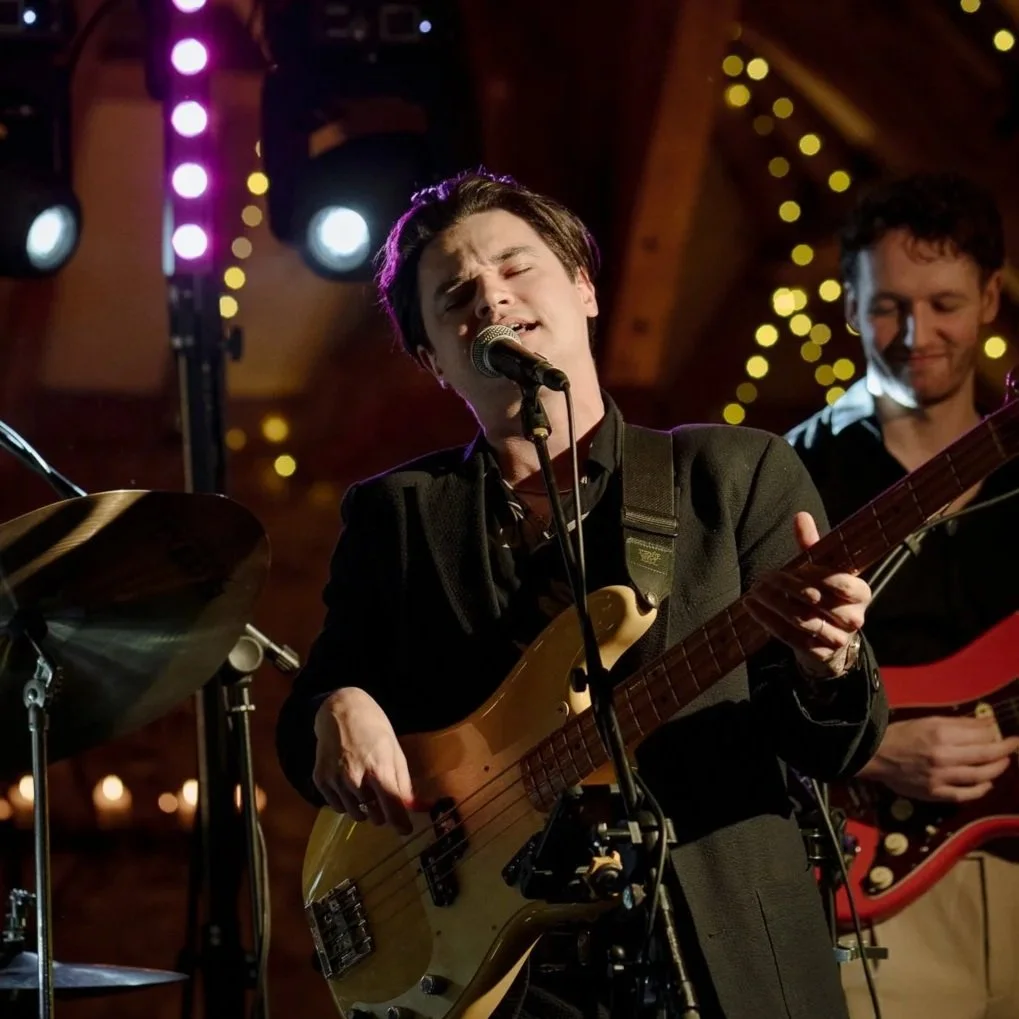
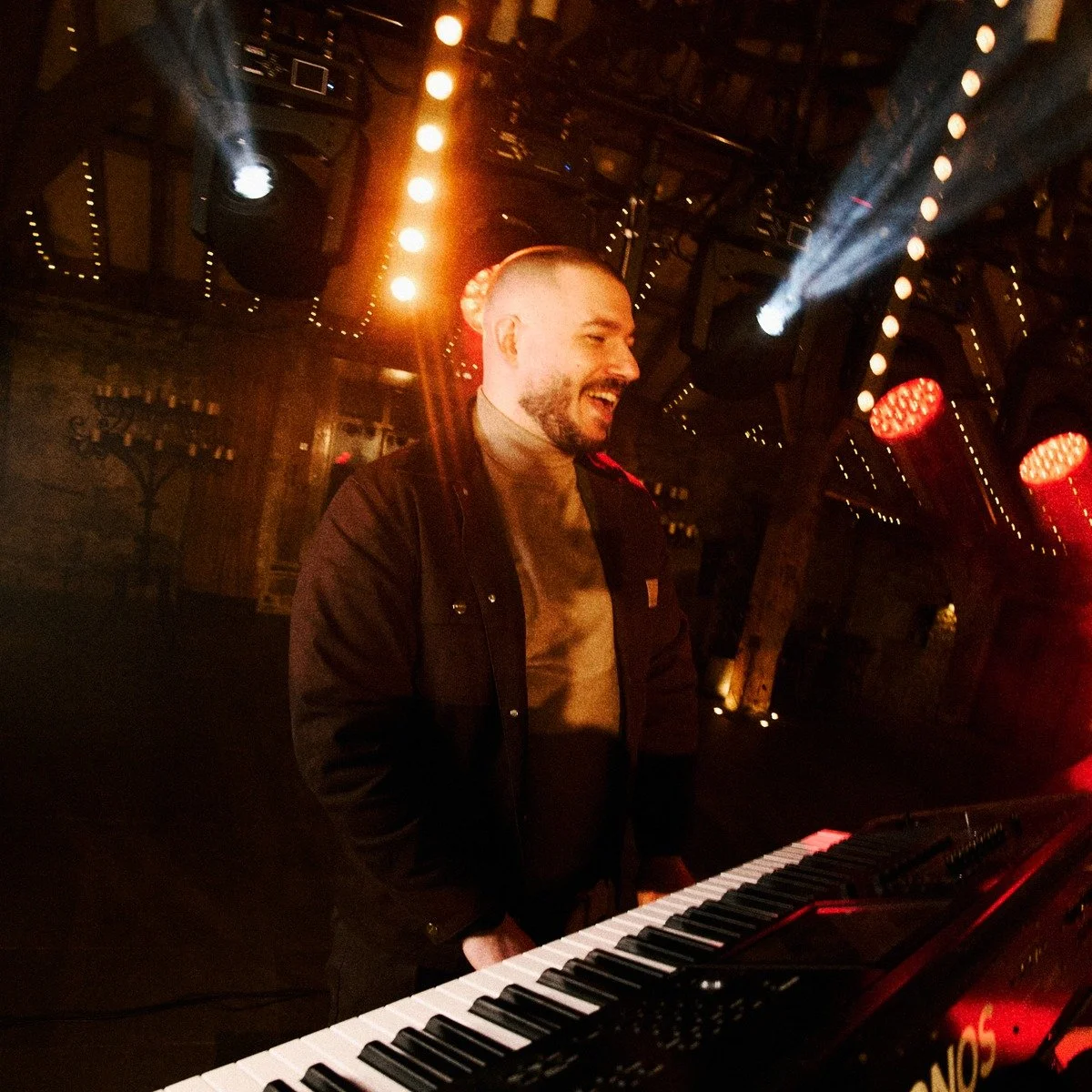
Piano teacher performing live at a wedding venue, playing keyboard and singing

Piano & Singing Lessons in Stretford

Home visits across Stretford, Gorse Hill, Old Trafford & the surrounding area

Stretford has always struck me as one of those places that's easy to underestimate from the outside. Yes, it's the borough that gives Old Trafford its postcode, but spend any time around Chester Road, Gorse Hill or the streets backing onto Longford Park and you'll find a genuinely mixed, close-knit community — young families in the newer developments near the Bridgewater Canal, longer-standing households around the Beech Road and Talbot Road end, and a fair number of students commuting in from Stretford's own train station. It's also somewhere I've been teaching piano for a while now, and it remains one of the areas I most enjoy driving out to.

Being this close to Manchester city centre (Deansgate is about twenty minutes away on the Metrolink) means Stretford attracts a real cross-section of piano students. I teach primary-age children just starting out, teenagers working through their GCSE Music coursework, and adults picking the piano back up after years away — sometimes because a piano's been sitting untouched in the front room since a house move, sometimes because they've finally got a bit more time in the evenings. Whatever the starting point, lessons happen at your own piano or keyboard, in your own home, which tends to make a real difference for younger students especially — no rushing across town after school, no lugging music books on the bus.

My own background is in jazz and pop piano — I studied at Leeds Conservatoire and still perform regularly with a function band around the North West — and that shapes how I teach. Rather than drilling a grade piece until it's memorised and then forgotten, I try to get students understanding the harmony underneath what they're playing, so the skills carry over into whatever they want to play next, whether that's a pop song they've heard on the radio or an ABRSM set piece. I teach the full ABRSM syllabus from Initial to Grade 8, alongside music theory, and I'm fully DBS checked.

Zara Nixon - Piano & Vocal Tutor

Stretford students I teach often come from Gorse Hill, around the Longford Park side, or over towards the Chorlton and Sale borders — and if you're a bit further into Old Trafford itself or up towards Hulme, that's well within reach too. If a proper acoustic piano isn't an option, a decent digital piano is more than enough to get started; I'm happy to advise on what's worth buying before you commit to anything.

We've also recently welcomed Zara Nixon to the team — a Burnage-based pianist and vocalist who teaches piano and singing across Manchester, Stretford included. So if it's singing lessons you're after, or piano and vocals together, get in touch and we'll match you with whichever of us has availability.

Every new student — child or adult — starts with a free consultation lesson. There's no obligation attached; it's simply a chance to meet before deciding whether to continue. Lessons are £35 for 60 minutes or £18 for 30 minutes, with travel across Stretford and the surrounding area included in the price, and we operate a straightforward 48-hour cancellation policy.

If you're in Stretford and thinking about starting piano or singing lessons — or restarting after a break — I'd love to hear from you. Find out more and book your free consultation on the Manchester piano lessons page.

Piano Lessons in Alderley Edge: Home Visits from a Local Tutor

Piano Lessons in Alderley Edge

Home Visits from a Local Tutor

Alderley Edge is best known for two things: the Edge itself — that sandstone escarpment above the village, wrapped in National Trust woodland and centuries of wizard legends — and a village centre that punches well above its weight, with London Road's cafés and restaurants busy from morning until late. What it doesn't have in abundance is piano teachers who come to you. That's where I come in.

I'm Sam Pendrill, the Wilmslow-based piano tutor at Phillips Music Tuition, and Alderley Edge is right on my doorstep — just a few minutes down the A34 from my base. I teach one-to-one piano lessons in students' homes across the village and the lanes around it, as well as covering Prestbury, Handforth, Wilmslow and Cheadle. If home visits don't suit, I also teach from my studio space in Wilmslow, or online.

Lessons built around the student

Families in Alderley Edge tend to have full diaries — between school, sport and everything else, adding a trip to a music teacher's house can be the thing that makes lessons unsustainable. Home visits remove that problem entirely: I arrive, we play, and the rest of your evening carries on as normal.

As for what we work on, that depends entirely on the student. I'm a graduate of the Royal Northern College of Music, where I specialised in piano and voice, and I hold Grade 8 in both — so for students on the exam track, I teach the ABRSM syllabus from prep test through to Grade 8, covering pieces, scales, aural and sight-reading properly rather than as an afterthought. But plenty of my students aren't interested in exams at all. I specialise in pop, and I also teach classical, jazz and musical theatre, so if your ambition is playing Elton John, Einaudi or whatever's on your playlist, we'll build lessons around exactly that.

Adult beginners are especially welcome. Some of my most rewarding students are people who always wanted to play and finally decided the time was right. If that's you, I promise the hardest part is the first email.

Learning from a working musician

Away from teaching I perform regularly across Manchester and the North West, and I've worked with chart-topping artists including Cian Ducrot and Self Esteem. That performing life feeds directly into lessons — phrasing, feel, and how to actually enjoy playing in front of people are things you learn best from someone who does it every week.

Prices and getting started

Lessons are £35 for 60 minutes or £18 for 30 minutes, and travel to your home in Alderley Edge is included in the price. New students get a free consultation lesson — a relaxed first meeting to have a play, talk about goals, and make sure we're a good fit before you commit to anything.

You'll find full details on our Wilmslow & Alderley Edge piano lessons page, or you can book your free consultation today. Maybe I'll see you at the piano soon — and if not, you'll find me up the Edge on my day off.

/Source

Sam Pendrill

Sam Penderill is a professional piano tutor and vocal coach based in Wilmslow, Cheshire. Sam is fully DBS checked, with safeguarding training in place for lessons with children. He is a recent graduate of the Royal Northern College of Music (BA Hons Popular Music), where he specialised in both Voice and Piano. He has been teaching professionally for 3 years, bringing a fun and fresh approach to piano lessons across the Wilmslow area.

Piano Lessons in Wilmslow with Sam Pendrill: From First Notes to Grade 8

Piano teacher performing piano in Wilmslow

If you live in Wilmslow, you'll know it's a town that takes its music seriously. Between the school concerts, the choirs, and the steady stream of live music in venues across the town and nearby Alderley Edge, there's no shortage of young (and not-so-young) musicians here. What can be harder to find is a piano teacher who comes to you — which is exactly what I do.

I'm Sam, the Wilmslow-based piano tutor at Phillips Music Tuition. I'm a graduate of the Royal Northern College of Music, where I specialised in both piano and voice, and I've been teaching professionally for several years now. My lessons cover Wilmslow itself along with Alderley Edge, Prestbury, Handforth, Cheadle and the surrounding villages — so whether you're a five-minute walk from the Carrs or out towards Handforth Dean, I can come to your home. I also teach from my studio space in Wilmslow, and online if that suits your week better.

What lessons look like

No two students in Wilmslow want the same thing, and that's how it should be. Some of my younger students are working steadily through their ABRSM grades — I've taken students from their very first lesson through to exam distinctions, and as a Grade 8 pianist and vocalist myself, I know the syllabus inside out. Others couldn't care less about certificates and just want to play the songs they love. I specialise in pop, but I teach classical and musical theatre too, so we can build lessons around whatever gets you (or your child) excited to sit down at the piano.

For older students thinking about music college or university auditions, I can offer something a bit more specific: having come through the RNCM audition process recently myself, I know what panels are looking for and how to prepare for it properly.

A working musician, not just a teacher

Outside of teaching, I perform regularly across Manchester and the North West, and I've worked with chart-topping artists including Cian Ducrot and Self Esteem — I even appeared on the Christmas edition of BBC Songs of Praise alongside Tony Hadley. I mention this not to show off (well, maybe a little) but because I think it matters: learning from someone who plays for a living means you pick up the habits, shortcuts and musicality that only come from real performing experience.

Getting started

Lessons are £35 for 60 minutes or £18 for 30 minutes, with travel to your home included anywhere in the Wilmslow area. If you're brand new to the piano, don't worry about having a grand piano in the front room — a decent digital piano is plenty to get started, and I'm happy to advise on what to buy.

The easiest first step is a free consultation lesson. It's a no-pressure chance for us to meet, have a play, and work out what you want from lessons before you commit to anything.

You can find full details on our Wilmslow piano lessons page, or book your free consultation today. I'd love to hear from you.

/Source

Sam Pendrill

Sam Penderill is a professional piano tutor and vocal coach based in Wilmslow, Cheshire. Sam is fully DBS checked, with safeguarding training in place for lessons with children. He is a recent graduate of the Royal Northern College of Music (BA Hons Popular Music), where he specialised in both Voice and Piano. He has been teaching professionally for 3 years, bringing a fun and fresh approach to piano lessons across the Wilmslow area.

Piano Lessons in Didsbury | Phillips Music Tuition

High street in Didsbury showing cafes and shops

Piano Lessons in Didsbury

Professional piano lessons for all ages and abilities

Didsbury has always struck me as one of the better parts of Manchester to teach in. Between the independent shops along Burton Road, the green space of Fletcher Moss Park, and the sheer number of families who've settled here specifically for the schools, there's a strong culture of parents wanting their kids to try an instrument properly rather than as a box-ticking exercise. I teach piano to students across Didsbury and the surrounding streets — West Didsbury, East Didsbury, and over towards Withington and Chorlton — and the mix of pupils is genuinely varied: primary-age beginners, teenagers prepping for GCSE Music, and a fair number of adults picking the piano back up after twenty years away from it.

What a typical lesson looks like

I come to you, which for Didsbury usually means setting up in a front room or a spare bedroom with whatever piano or keyboard you've already got — you don't need a grand piano, a decent 61-key keyboard with weighted-feeling keys is enough to start on. Lessons run either 30 or 60 minutes depending on age and focus, and I structure the first few weeks around figuring out what actually motivates the individual student rather than dropping everyone into the same method book. Some want to play the pop songs they hear at home; others are aiming squarely at grades.

Exams and structure

For anyone who wants a formal benchmark, I teach towards ABRSM grades, which remain the most widely recognised piano syllabus in the UK and translate well if a student later wants UCAS points or just a clear sense of progress. That said, exams aren't compulsory — plenty of my Didsbury students are happy working through repertoire and technique without ever sitting a grade, and I'm equally happy teaching that way. What matters more to me is that practice at home is manageable and that the student can hear themselves improving week to week, which is usually the difference between someone sticking with it past the first year and someone quietly giving up.

Genres and repertoire

Didsbury families tend to have fairly eclectic taste, and I lean into that. Classical grade repertoire sits alongside film themes, jazz standards, and whatever's currently popular — I'd rather a twelve-year-old practise a Coldplay arrangement enthusiastically than a Clementi sonatina they resent. For adult returners, I usually rebuild reading fluency and hand independence first, then let them pick repertoire that actually excites them.

Getting started

New students get a free consultation lesson, so there's no obligation before you know whether it's a good fit. Standard rates are £35 for a 60-minute lesson and £18 for 30 minutes, with travel to your home included in that price — no separate call-out fee. If your usual routine gets disrupted, there's a straightforward 48-hour cancellation policy rather than anything punitive.

If you're in Didsbury, West Didsbury, or nearby and thinking about piano lessons for yourself or your child, get in touch and I'll find a time to come and meet you. You can see more detail on how I teach, plus availability, on the piano lessons in Manchester page, or head straight to contact to arrange your free first lesson.

🎹 We’ve had a fresh new look! 🚐

Piano Lessons in Wilmslow

🎹 We’ve had a fresh new look! 🚐

Book your piano lessons with us now!

We’re excited to unveil our brand-new signage on both our piano teaching studio and lesson van, making it even easier to spot us around Wilmslow and the surrounding areas of Cheshire and South Manchester.

If you’re looking for piano lessons in Wilmslow, we provide fun, engaging and personalised tuition for children and adults of all ages and abilities. Whether you’re a complete beginner, preparing for music exams, or returning to the piano after a break, lessons are tailored to help you achieve your musical goals at your own pace.

Our newly branded studio and van reflect our passion for providing high-quality, professional piano tuition within the local community. If you see us around Wilmslow, be sure to give us a wave!

We’re currently welcoming new students from Wilmslow, Alderley Edge, Handforth, Cheadle Hulme, Bramhall, Poynton, Knutsford and the surrounding areas.

Looking for a friendly, experienced piano teacher in Wilmslow? We’d love to help you begin or continue your musical journey. Get in touch today to book your first lesson.

Beginner Piano Lessons in Wilmslow: An Equipment Guide for Adults & Children

beginner piano lessons Wilmslow

Piano Lessons for Beginners in Wilmslow

For Both Children & Adults

Phillips Music Tuition has been offering professional, fun and engaging piano lessons in Wilmslow for over 5 years. We have been trusted by hundred of parents to help guide their children through their musical journey. We pride ourselves on our 100% pass rate with the ABRSM syllabus. Please keep reading for an equipment guide for Adults and Children taking piano lessons in Wilmslow.

Equipment

A Piano, Digital Piano or Keyboard

When starting out, we recommend that students start with a digital piano, as it is a more affordable way to start. Although many of our piano students in Wilmslow have access to an upright piano which is also a great option. Just remember having an acoustic piano requires maintenance and can be more difficult for younger students as they can require a lot more finger strength.

Recommended Features

Look for:

  • 61 keys minimum (88 keys preferred)

  • Touch-sensitive keys (respond to finger pressure)

  • Built-in speakers

  • Sustain pedal input

  • Headphone jack

Better Long-Term Choice

An 88-key weighted digital piano feels more like a real piano and helps build proper finger strength.

Types of Instruments

Digital Keyboard

Best for:

  • Beginners

  • Apartments

  • Budget-friendly setups

Pros:

  • Portable

  • Volume control

  • Headphones

  • Usually cheaper

Cons:

  • Some models feel less realistic

Digital Piano

Best for:

  • Serious beginners

  • Long-term learning

Pros:

  • Realistic piano feel

  • Better sound quality

  • Weighted keys

Cons:

  • More expensive

  • Less portable

Acoustic Piano

Best for:

  • Traditional experience

  • Advanced long-term study

Pros:

  • Rich natural sound

  • Authentic touch

Cons:

  • Expensive

  • Requires tuning

  • Heavy and large

A Piano Bench or Chair

Having a proper seat is essential when learning piano. This allows students to develop their technique without any hinderance.

What to Look For

  • Adjustable height if possible

  • Flat, firm seat

  • Comfortable but supportive

Correct Height

Your:

  • Forearms should be roughly parallel to the floor

  • Elbows slightly above the keys

Avoid:

  • Sofas

  • Rolling office chairs

  • Very soft chairs

Keyboard Stand

This is essential if your keyboard or digital piano doesn’t have one included.

Types

  • X-stand (portable)

  • Z-stand (more stable)

Headphones

This is normally required for our Adult students in Wilmslow who have children and need their practice to be a quiet as possible.

Useful for:

  • Quiet practice

  • Better focus

  • Hearing details clearly

Good Beginner Features

  • Comfortable ear padding

  • Wired connection

  • Clear sound

Avoid extremely bass-heavy headphones.

Sustain Pedal

Sustain pedals are usually essential from Grade 1 - 2 depending on the pieces chosen. Acoustic pianos will always have a sustain pedal, whereas for some digital pianos and keyboards you have to buy it seperately. Certain brands of digitals pianos have a different polarity requirement so we suggest buying a multi polarity sustain pedal.

Important

Check that your keyboard supports:

  • Sustain pedal input

  • Standard polarity compatibility

Music Stand

Needed for:

  • Sheet music

  • Lesson books

  • Tablets

Many keyboards include one.

Beginner Lesson Books

Adult Beginners

  • Alfred’s Basic Adult Piano Course

  • Faber Adult Piano Adventures

  • ABRSM Grade Books

Kids

  • Piano Adventures for Children

  • Bastien Piano Basics

  • ABRSM Grade Books

These books teach:

  • Note reading

  • Rhythm

  • Hand coordination

  • Simple songs

Metronome

A metronome teaches steady rhythm. We usually suggest just downloading a free metronome app.

You can use:

  • A phone app

  • Built-in keyboard metronome

  • Physical metronome

Start slow:

  • Around 50–60 BPM

Practice Space

This isn’t an option for all students but having a designated practice space can be optimal.

Ideal Setup

  • Quiet room

  • Good lighting

  • Minimal distractions

  • Comfortable temperature

Keep your piano setup ready to use daily.

Basic Beginner Checklist

Essentials

  • Piano or keyboard

  • Bench/chair

  • Lesson book

  • Metronome

Helpful Extras

  • Headphones

  • Sustain pedal

  • Music stand

  • Keyboard stand

If you are based in Wilmslow or the surrounding areas and are interested in booking high quality, professional piano, lessons then Phillips Music Tuition is perfect for you. All ages and abilities are welcome.

Book your piano lessons in the comfort of your own home Wilmslow and surrounding areas now


Our Wilmslow Based Piano Student gets Distinction in ABRSM Grade 7 Piano Performance Exam!

Piano lessons in Wilmslow

We are so proud of our Wilmslow based Year 11 Piano student for absolutely smashing her Grade 7 Piano performance exam. She has worked extremely hard in her lessons and practice time, and the results show that. We have worked with this student since Grade 4 and she has come on leaps and bounds since becoming our student. We could not be happier with this result and cannot wait to help her achieve Grade 8!

If you are interested in booking high quality, professional piano, guitar or bass lessons then Phillips Music Tuition is perfect for you. All ages and abilities are welcome.

Book your Guitar & Bass lessons at your own home in Leeds, Headingley, Adel, Burley, Leeds City Center, and online now.

Book your piano lessons in our Teaching Studio at Pollard Yard, or at your own home in Manchester, Wilmslow, Cheadle, Alderley Edge, Styal, and online now.


100% ABRSM pass rate continues!!!

ABRSM Exams Summer Session

All students have passed so far.

100% ABRSM pass rate continues!!! Phillips Music Tuition have had a great start to the ABRSM summer exam period. All six of our students who have taken their exams so far have passed. These are ABRSM grades ranging from Initial - Grade 8. Congratulations to all of our students who have passed and good luck to our final three students who are yet to take their exams!!!

If you are interested in booking high quality, professional piano, guitar or bass lessons, with proven results then please visit our website. All ages and abilities are welcome.

Book your piano lessons in our Manchester Studio, Manchester, Wilmslow, Cheadle, Alderley Edge, Styal, or online now.

Book your Guitar & Bass lessons at your own home in Leeds, Headingley, Adel, Burley, Leeds City Center, and online now.


The Science of Learning Music: How Playing an Instrument Boosts Your Brain 🧠

The Science Of Learning Music

5 Reasons Learning An Instrument Can Improve Your Cognitive Health

Learning a musical instrument has numerous positive benefits. One of these is the impact it can have on your long term cognitive health. When you play an instrument you are stimulating multiple regions at once which has the effect of enhancing overall cognitive function. At Phillips Music Tuition we teach students off all ages from 7 years old to 75 years old. We can see the benefits it brings all of our students as they progress through their musical journeys with us.

Here are 5 reasons how learning an instrument boosts your brain:

1. Enhances Memory

  • Learning an instrument enhances both short and long terms memory. This is particularly true with verbal memory. When leaning an instrument you have to read music, recall notes/rhythms and improve technique which all strengthens the hippocampus (a part of the brain involves with memory).

  • Learning an instrument can give better auditory memory which is extremely helpful for language learning.

2. Improves Language and Communication Skills

  • Processing sounds improves speech perception and enhances the brains ability to process sounds.

  • It can be easier to learn new languages as learning an instrument improves your ability to detect nuances in tone and rhythm.

3. Boosts Math and Spatial Skills

  • Learning music has many aspects which are closely related to mathematical ability. Reading rhythms, improving timing and processing patterns are all example of this.

  • Studies have shown that children who learn a musical instrument tend to have increased performance on spacial-temporal reasoning tests.

4. Reduces Stress and Enhances Emotional Health

  • Mental health has become an extremely important issue in recent years. Anxiety and depression has become extremely prevalent in children and adults alike. Playing music has been shown to lower cortisol levels which improves mood and reduces anxiety.

  • Music can offer an escape and an outlet for emotions. This can help with regulation and mental well being.

5. Early and Lifelong Brain Benefits

  • Learning an instrument as an adult helps preserve cognitive function and can potentially slow down cognitive decline..

  • Starting your musical journey early has many benefits. Areas such as motor skills, auditory processing and emotional regulation are some examples of this.

If you are looking for a great way to improve the cognitive health of yourself or your child then learning a musical instrument could be a great choice.

Book your piano lessons in our Teaching Studio at Pollard Yard, or at your own home in Manchester, Wilmslow, Cheadle, Alderley Edge, Styal, and online now.


7 Students Entering ABRSM Practical And Performance Exams In Summer Session 2025

ABRSM Exams Summer Session

7 Students Entering Exams From Initial Grade - Grade 8

Phillips Music Tuition are excited to announce that we have 7 students entering ABRSM exams during the summer session. We have students between the ages of 8 - 17 entering exams from the initial Grade to Grade 8. All of our students have worked extremely hard and we are very proud of their progress.

If you are interested in your child taking ABRSM grades or want to start yourself then please don’t hesitate to get in touch.

Book your piano lessons in our Manchester Studio, Manchester, Wilmslow, Cheadle, Alderley Edge, Styal, or online now.


Best Practice Techniques for Faster Progress in Music 🎯🎹

Piano Lessons In Manchester

How To Progress Faster

10 tips to help speed up your musical journey.

1. Set Small, Achievable Goals

  • Sometimes the idea of learning a piece can feel overwhelming. It can help to break it down into smaller chunks such as, learning 8 bars in a week, practicing hands separately…

  • Try using SMART goals. These are Specific, Measurable, Achievable, Realistic, Time-bound, and will help you keep track of your progress.

2. Practice Consistently Using Shorter Sessions

  • Practicing 20–30 minutes daily is much better than 3 hours once a week. It will give your brain and fingers regular reinforcement which helps speed up your progress.

  • Younger students can often struggle to maintain an adequate level of concentration beyond 30 minutes.

3. Utilise Focused Practice

  • A lot of students tend to avoid working on weaknesses and often just play things that they already know. Avoid doing this. You get the most progress by isolating difficult sections, playing them slowly whilst looping them.

  • Make sure you always practice with a metronome, this will improve your accuracy and timing.

4. Record Your Playing

  • When we are performing, it can be extremely difficult to think in an analytical/reflective way. By recording ourselves we can really hear any issues that need to be worked on in our practice sessions.

  • You can use these recording to tracking progress over along period of time. This can be great motivation if you are going through a difficult period

5. Listen Actively & Ear Train

  • Listen to recordings of performers/artists that you admire. Listen to how they use dynamics, tone and feel and try and replicate it in your performances.

  • Do lots of transcribing, whether it is chord progressions or jazz solos good musicians have a great ear and use it often.

6. Focus On The Foundations

  • Get the essentials down rhythm, technique, scales, chords, ear training. When you are a gigging musician 9 times out of 10 no body wants to hear that new altered scale lick you have been working on forced into the solo section of “Don't Look Back In Anger’ If anything you will lose the gig and never be asked back.

  • Before jumping to advanced techniques and sounds, be sure you have the foundations locked down, they are what make musicians sound great.

7. Work On Tone/Sound Design

  • People often neglect sound/tone when practicing. Getting a good sound out of your instrument will make you sound so much better. Examples for different instruments.

  • Drums: Working on the dynamic balance between Cymbals/Hi Hats/ Kick and Snare. Researching the right gear for you sonically (Dark/ Bright/ Tight/ Loose)

  • Guitar: Understanding your pedals, getting the correct amount of crunch. Balancing your tone (how much low mids, how much top end)

8. Do What You Find Fun

  • You will progress faster if you are practicing things you actually enjoy.

  • Pick songs that you like and with the help of a teacher you can find songs you like that also enhance your musical ability.

9.  Join A Band/Go To Jam Nights

  • Playing music with other musicians is a great way to learn and improve your skills, especially if they are more advanced then you are

  • Find a local jam night or open mic night and meet/socialise with people who are on the same journey as you.

10. Reflect & Adjust/Be Honest With Yourself

  • Regularly reflect on what you have been practicing and what you are still struggling with.

  • It is important to be honest with yourself and adjust your practice accordingly.If you can avoid these common mistakes and remain focused on consistent improvement the learning process will be much smoother and more fun. If you want piano lessons with then please get in touch and we can help you on your journey.

Book your piano lessons in our Teaching Studio at Pollard Yard, or at your own home in Manchester, Wilmslow, Cheadle, Alderley Edge, Styal, and online now.


New Video | Rootless Major 2-5-1 Position B | All 12 keys

Piano lessons in Manchester and online

Master Rootless Major 2-5-1s with our new video

Use our videos to learn more about jazz harmony. This knowledge will give you a good base to build from.

We have just published a new practice video for position B rootless Major 2-5-1s. In our piano lessons we explore and explain how major 2-5-1s are formed and how to best practice them. This video gives support to our piano lessons and allows our students to practice with confidence, knowing everything they play is correct. If you need more help in understanding these voicings, please contact us and we can organise a lesson.

This video is in a playlist which has other similar videos in slower BPMs. If you are finding this one a little fast, or want to learn position A major/minor 2-51s then please us the learning materials on offer.

The aim is to be able to play through these exercises with ease and fluidity (with both Left hand and right hand). This will allow students to incorporate them into their playing, becoming more comfortable in keys they aren't as familiar with. These are all extremely helpful for students who are struggling to play in all 12 keys and need to establish better fundamentals to build from.

Book your piano lessons in our Manchester Studio at Pollard Yard, Manchester, Wilmslow, Cheadle, Alderley Edge, Styal, or online now.


10 Common Mistakes Beginners Make When Learning an Instrument ❌🎼

Common mistakes to avoid

Avoid these common mistakes and speed up your progress when learning an instrument.

Learning a new instrument can be an incredibly challengeing and rewarding undertaking. Beginners can often make common mistakes that can decrease progression which can lead to frustration and ultimately giving up. Below we have listed 10 common mistakes that beginners often make so you can avoid them:

  1. Not understanding Why Musicians Practice Scales And Arpeggios
    Beginners sometimes jump straight into playing scales without properly understanding how they are constructed and how they help musicians understand keys. Scales not only develop technique, finger strength, and muscle memory; but they help musicians gain a deep understanding of which sharps and flats are in all 12 keys both major and minor.

  2. Not Practicing Consistently
    Many new musicians start off motivated and practice intensely and seeing results quickly. Although as they progress the learning material gets more difficult and without consistent practice progress will be slow. Regular practice sessions, even shorter ones are much more effective than inconsistent long practice sessions

  3. Playing Too Quickly, Too Soon
    Rushing through songs before you have deeply learnt the material can lead to inconsistent mistakes within performances. It's important to prioritise proper technique, making sure you use the correct notes, fingering and rhythms.

  4. Lack of Patience With Progress
    Many beginners expect quick results and become discouraged if they don’t progress quickly. Learning an instrument is hard and takes time, and it’s important to be patient with yourself and don’t take shortcuts

  5. Focusing On The Next Thing You Have Seen On Social Media
    It can take along time to learn concepts on a deep level. For example you could spend a year or more just on drop 2 chord voicing. Many beginners see something potentially more advanced than they are ready for and learn it until the next thing comes along. This can really affect progress. Some ideas need to be learnt in all 12 keys and maybe aren’t that applicable in real world situations.

  6. Only Being Able To Play In One Key
    This is aimed at pianists or keyboardists. There is nothing wrong having a favourite key or keys, but one of the most common mistakes beginners make it not taking things through all 12 keys. This becomes slightly more complex for classical pianists as you would take fugues through all 12 keys but you need to find a way to become comfortable in all 12 keys,

  7. Ignoring Basic Theory
    It is true that you can become an incredible musician just by using your ear and not using theoretical knowledge but this is the exception not the rule. Most musicians will reach a plateau without music theory knowledge. Good music theory helps in so many ways, such as being able to decipher chord progressions quickly, sight read faster and so much more.

  8. Inadequate Ear Training
    Improving your ear is just as important as increasing skills and techniques on your instrument. Beginners often skip ear training exercises as they don’t understand how important it is for a well rounded musician. A good ear helps with tuning, improvisation, harmonic recognition and confidence when performing new pieces.

  9. Not Using A Metronome
    One of the most obvious signs of a beginner playing their instrument is inconsistent tempo. Rhythm is effectively fifty percent of all music, yet for many beginners it takes a back seat in their practice regime. Using a metronome when you are playing pieces and performing scale/technical exercises can really improve your rhymical consistently.

  10. Not Taking Lessons/ Seeking Feedback/Recording Yourself
    Beginners sometimes aimlessly practice without direction, purpose and proper guidance. Understanding your goals and getting structured practice routines from a teacher or mentor can help. Recording yourself to listen critically can help beginners understand areas that need improvement.

Bonus Mistake

Comparing yourself to other musicians (especially online). Music is a personal journey that is individual for everyone. There will always be someone better than you who is improving faster and sounds more impressive. It is important to focus on your improvements and try to see other people as inspirations and not put yourself down.

If you can avoid these common mistakes and remain focused on consistent improvement the learning process will be much smoother and more fun. If you want piano lessons with then please get in touch and we can help you on your journey.

Book your piano lessons in our Teaching Studio at Pollard Yard, or at your own home in Manchester, Wilmslow, Cheadle, Alderley Edge, Styal, and online now.


New Video For Major Triads In All Inversions And All 12 keys

Master Major triads with our new video

Use our videos to learn more about the building blocks of harmony. This will give you an amazing foundation to build from.

We have just published a new practice video for major triads. In our piano lessons we explore and explain how major triads are formed and how to best practice them. This video gives support to our piano lessons and allows our students to practice with confidence, knowing everything they play is correct.

This video has 4 play along exercises to will be played through all 12 keys.

1. Playing the major triads in all inversions one after the other whilst playing octave root notes in the left hand.

2. Playing the major triads in root position whilst playing octave root notes in the left hand.

3. Playing the major triads in 1st inversion whilst playing octave root notes in the left hand.

4. Playing the major triads in 2nd whilst playing octave root notes in the left hand.

The aim is to be able to play through these exercises with ease and fluidity. This will allow students to incorporate them into their playing, becoming more comfortable in keys they aren't as familiar with. These are all extremely helpful for students who are struggling to play in all 12 keys and need to establish better fundamentals to build from.

Book your piano lessons in our Manchester Studio, Manchester, Wilmslow, Cheadle, Alderley Edge, Styal, or online now.


Launch of our new YouTube channel.

Lots of free resources to help improve your piano playing

Use our videos to learn more about harmony, sound design and piano playing. The videos will be amazing to use a supporting material for in person or online lessons with us.

We have just launched our new YouTube channel which you can find at https://www.youtube.com/@PhillipsMusicTuition.

Here we will have lots of videos ranging from: using complex harmony, keyboard tutorials, music theory, ABRSM grade support and much more. You can use these free resources to support online or in person piano/keyboard lessons with us.

Here are the titles of the first 3 videos posted:

Understanding the role of tritones in V7 chords

Using drop 2, secondary dominants and triads in C major

Learning Position 1 Minor II-V-Is

These are all extremely helpful for students who are studying Jazz/Pop/Gospel with us and are used by students who study with us.

Book your piano lessons in our Manchester Studio, Manchester, Wilmslow, Cheadle, Alderley Edge, Styal, or online now.


Learning Sound Design on Keyboards

Korg Kronos + Yamaha MODX8

Learn how to improve your sound design and sound layering skills to improve your performances in a band setting.

Sound design, programming and arrangement is a very important part of playing keyboards/piano in a band. In the video above our piano tutor Ryan demonstrates playing a groove in the key of A. There are 4 sounds being used Clav, Pianet, Organ and Brass. On the Yamaha MODX8 the keybed is split into 3 parts, In the lower register Clav the mid register Pianet and the upper register organ. The organ is controlled by the sustain pedal whilst the other 2 parts aren’t, allowing it to play throughout. These sound all have effects such a phaser, chorus and reverb which are all programmed on the YAMAHA MODX. On the top board (Korg Kronos 2 73) you can hear the brass section. This has been created using 3 layers to help thicken the sound and make it more authentic.

If you are looking to gain a better understanding on how to use sound design on your keyboards then please get in touch as teaching slots with Ryan are filling up quickly.

Book your piano lessons in our Manchester Studio, Manchester, Wilmslow, Cheadle, Alderley Edge and Styal now.


Arrival of our upright piano

Upright Piano

Gain experience playing an acoustic piano when taking lessons with us.

Piano lessons in Manchester, Wilmslow, Cheadle

We have just taken delivery of our new upright piano at our Manchester studio. This an amazing sounding antique piano by Collard and Collard. For more information about this piano brand then you can visit Antique Piano Shop. A big thanks to Mark Goodwin Pianos for their great friendly service.

Piano Lessons in Manchester, Wilmslow, Cheadle

Having lessons on a digital piano or keyboard is fine but gaining some experience on an upright or grand piano can be extremely beneficial. This can be before taking an ABRSM exam where students will have to perform on a full size piano and the transition from a smaller keyboard can be very confusing.

Piano Lessons in Manchester, Wilmslow, Cheadle

Book your piano lessons in our Manchester Studio, Manchester, Wilmslow, Cheadle, Alderley Edge and Styal now.


Scheduling Practice for Success (Part 5)

Piano Practice

How to structure a successful Jazz piano practice regime

When studying piano with a focus on Jazz it is extremely important to have an in depth knowledge of harmony and their different applications. In the images below you can see the lesson notes that I sent to a student after their first lesson with me. This student had a good knowledge of harmony and studied music at university in the past. As you can see we covered a simple 12 bar blues progression, with worksheets on the left hand rootless voicings and two blues scales that you can use to improvise over the chord changes. We also covered Position A major II-V-I rootless voicings in all 12 keys. Finally we covered major triads in all inversions and drop 2 voicings. These concepts are something that can take months, even years to gain mastery over and require patience and consistency to achieve results. Therefore when planning practice sessions it is important to set goals that are achievable over the long term. For the work set in this lesson I would say 20 minutes on each subject per day would be a great start. Then in further lessons we can see where this student has any difficulties or needs further explanation.

Book your piano lessons in Manchester, Wilmslow, Cheadle, Alderley Edge and Styal now.


Scheduling Practice for Success (Part 4)

Piano Practice

How to structure a successful Popular Music Piano practice regime

Popular Music can be difficult to organise an effective practice schedule for. Playing piano in a popular music context usually requires less technical proficiency than classical but more emphasis on harmony and having a well trained ear. Much more time needs to be invested in understanding the nuances of different genres within the popular music space. This involves listening sessions, practicing sound design, manipulating harmony to evoke certain emotions and learning common chord progressions in all 12 keys.

As a student first learns piano everything will look very similar regardless of what they are wanting to acheive. As students progress that is where their practice session begin to specialise.

Beginner Student Practice Schedule

20 minute session

5 minutes - scales and technical exercises

10 minutes - repertoire (Popular music song)/ Chord practice

5 minutes - Try to learn the chords of a simple song by ear

Advanced Student Practice Schedule

60 minute session

15 minutes - scales and technical exercises

30 minutes - repertoire (Songs for a Gig/Performance) Advanced chord practice

15 minutes - Try to learn the chords and melody of a song by ear

These timings are a very broad and basic outline for a well rounded practice schedule and can be changed to fit a students individual needs. For example some of our advanced students will split an hour session into 2 30 minute sessions. One of which is scales, technical exercises and sight reading, whilst the other is just repertoire. This can help students who have a busy schedule with lots of extra curricular activities and shorter attention spans.

Ideally beginner students should be practicing 4-7 20 minute sessions a week, intermediate students 30 - 60 minutes 4-7 times a week, and advanced students anywhere from 1 hour daily as a minimum to 3-4 hours daily.

In our next blog post we will discuss how to construct an effective practice session for students who are studying Jazz in piano lessons.

Book your piano lessons in Manchester, Wilmslow, Cheadle, Alderley Edge and Styal now.


Scheduling Practice for Success (Part 3)

Piano Practice

How to structure a successful practice regime for ABRSM exams

An effective practice regime is essential if you want to progress when taking piano lessons. A practice schedule will look different for all types of students. For example a beginner piano student shouldn’t have the same practice schedule as a student studying for ABRSM Grade 8.

Firstly, students/parents need to assess how much time is available to commit to piano practice. At Phillips Music Tuition we would suggest that if a student can not commit to 15-20 minutes 4 times a week then it will be difficult to see consistent improvement. This often leads to stagnation and boredom, culminating in stopping playing the piano entirely.

For ABRSM exams these are the time percentages which work most effectively for most students practice sessions. 25% scales and technical exercises, 25% sight reading 50% repertoire. Obviously, as students progress these percentages may fluctuate, with more time being allocated to weak areas. Below you can see how these timings would work.

Beginner Student Practice Schedule

20 minute session

5 minutes - scales and technical exercises

10 minutes - repertoire (ABRSM Graded Pieces)

5 minutes - sight reading

Advanced Student Practice Schedule

60 minute session

15 minutes - scales and technical exercises

30 minutes - repertoire (ABRSM Graded Pieces)

15 minutes - sight reading

These timings are a very broad and basic outline for a well rounded practice schedule and can be changed to fit a students individual needs. For example some of our advanced students will split an hour session into 2 30 minute sessions. One of which is scales, technical exercises and sight reading, whilst the other is just repertoire. This can help students who have a busy schedule with lots of extra curricular activities and shorter attention spans.

Ideally beginner students should be practicing 4-7 20 minute sessions a week, intermediate students 30 - 60 minutes 4-7 times a week, and advanced students anywhere from 1 hour daily as a minimum to 3-4 hours daily.

In our next blog post we will discuss how to construct an effective practice session for students who are studying Jazz and Popular Music in piano lessons.

Book your piano lessons in Manchester, Wilmslow, Cheadle, Alderley Edge and Styal now.