
Starting Music Lessons in January: A Practical Guide for Families and Adults
Every year, the weeks before Christmas are when lots of people start thinking about music lessons. A child has been picking out tunes on a relative’s keyboard, a teenager wants a guitar under the tree, or an adult has decided that next year is finally the year they learn to play. If that sounds familiar, a little planning now makes a January start much smoother.
Here is what we suggest, based on how lessons work at Phillips Music Tuition across Manchester, Wilmslow, Altrincham and Leeds.
Pick the instrument the learner actually wants
It sounds obvious, but motivation matters more than anything else in the first few months. A child who longs to play drums will usually practise more on a drum pad than on a piano they were steered towards. Adults are no different. If you are torn, choose the music you want to play first and work backwards: songs you sing along to in the car point towards singing lessons, riffs point towards guitar, and a love of film scores or pop ballads often points towards piano.
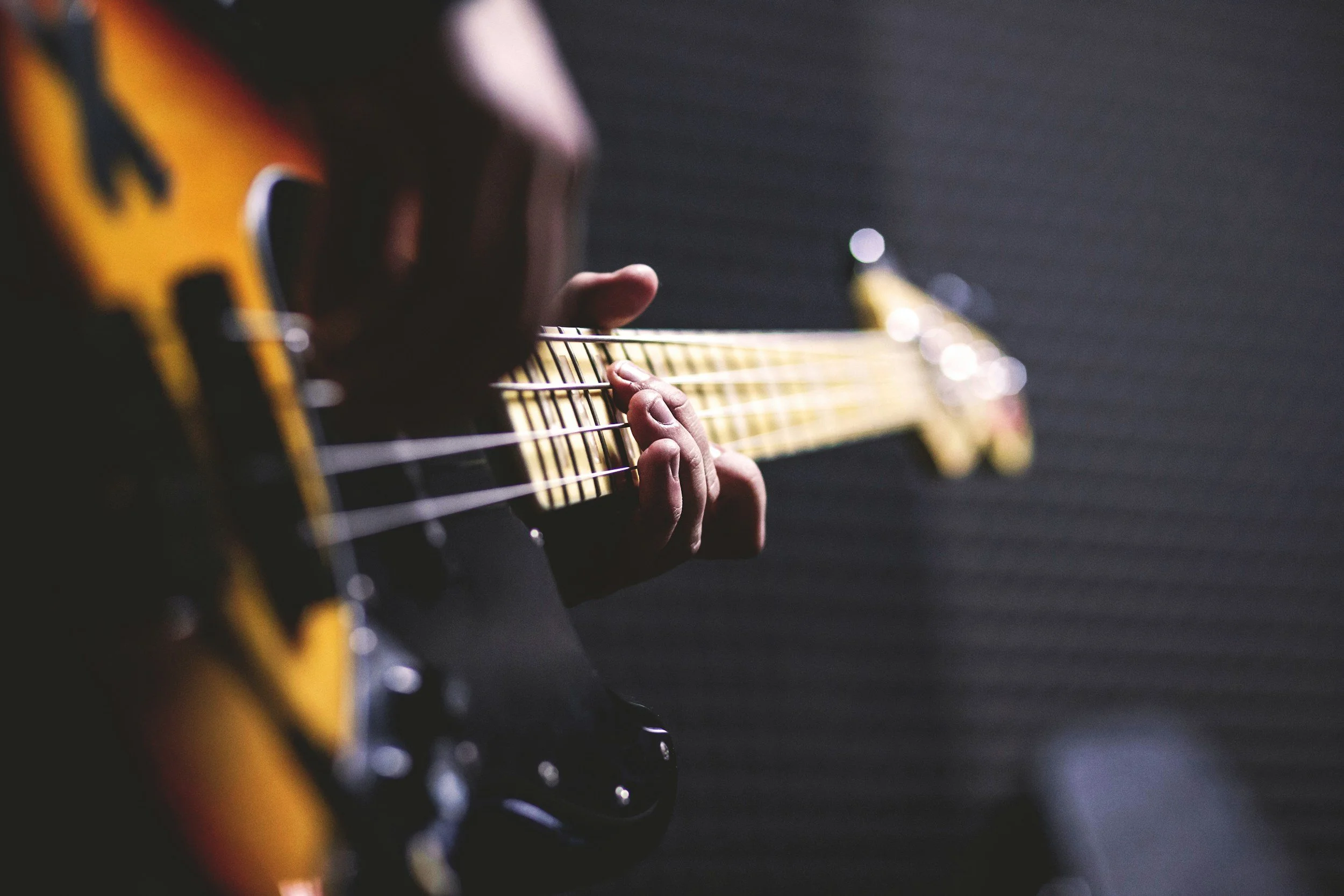
We currently teach piano, singing, drums, guitar, bass (on request) and music theory, so there is room to try something and change direction later.
Sort out an instrument before the first lesson
You do not need to spend a fortune. Our lesson pages suggest a beginner digital piano from around £200, or a decent beginner guitar from around £150 to £200, as a sensible way to try lessons before investing in something better. If an instrument is going to be a Christmas present, it is worth asking us first: a two-minute message can save you buying a keyboard with too few keys or a guitar that is the wrong size.
Choose a lesson length that fits the learner
Lessons are £20 for 30 minutes, £30 for 45 minutes or £40 for 60 minutes, with £5 added if travel to you is over 25 minutes. As a rough guide, 30 minutes suits many younger beginners, while older children and adults often prefer 45 or 60 minutes so there is time for technique and pieces they enjoy. Your tutor can suggest what works once they have met the student.
Think about where lessons happen
Most of our lessons happen at home, so there is no extra travelling in an already busy week. Depending on your area, there is also the option of our Pollard Yard studio in Manchester, our teaching spaces in Wilmslow and Lawnswood, or online lessons. Online can be a handy back-up for weeks when someone is unwell or away.
Book the free consultation early
Every new student starts with a free consultation lesson. It is a relaxed chance to meet the tutor, talk about goals, and get a feel for how lessons will run, with no obligation to continue. Getting in touch in December means we can match you with the right tutor and find a regular slot before term starts again in January. We reply to every enquiry within 24 hours.
Set gentle expectations
The first few weeks are about building a habit, not racing through books. Ten to fifteen minutes of practice on most days will do more than one long session before the next lesson. Exams such as ABRSM, Trinity or Rockschool grades are there if the learner wants a goal, but they are entirely optional. Plenty of our students simply want to play music they love.
Ready to plan a New Year start?
Tell us who the lessons are for, which instrument, and roughly where you live, and we will suggest a tutor and arrange your free consultation lesson. Our cancellation policy is simple: give us 48 hours’ notice and there is no charge.